Trip Info
-
Private vehicle for transfers and local transport
-
2-12 people
-
4,380 meters (Gosainkunda).
-
Teahouses and lodges.
-
Moderate to high fitness required.
-
Kathmandu
-
March to May and September to November.
-
Fully guided trek with professional guides.
-
Cultural and trekking.
-
English and other on request
-
Breakfast, lunch, and dinner included.
-
Langtang National Park Permit and TIMS Card.
Overview
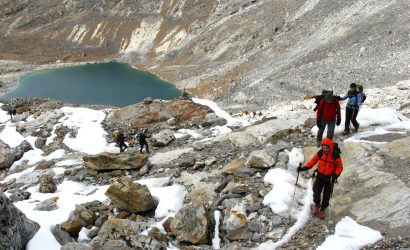
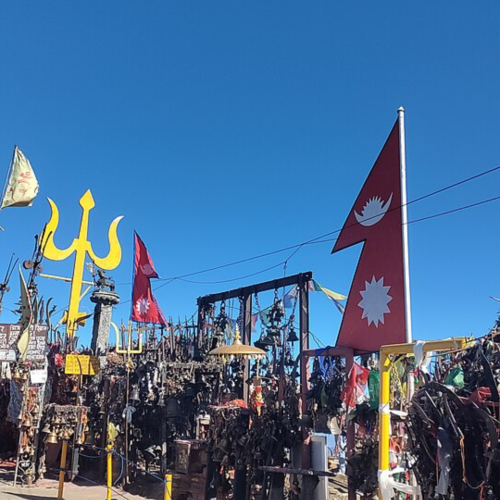
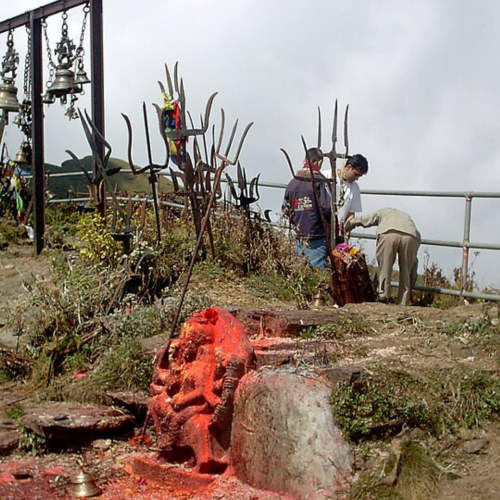
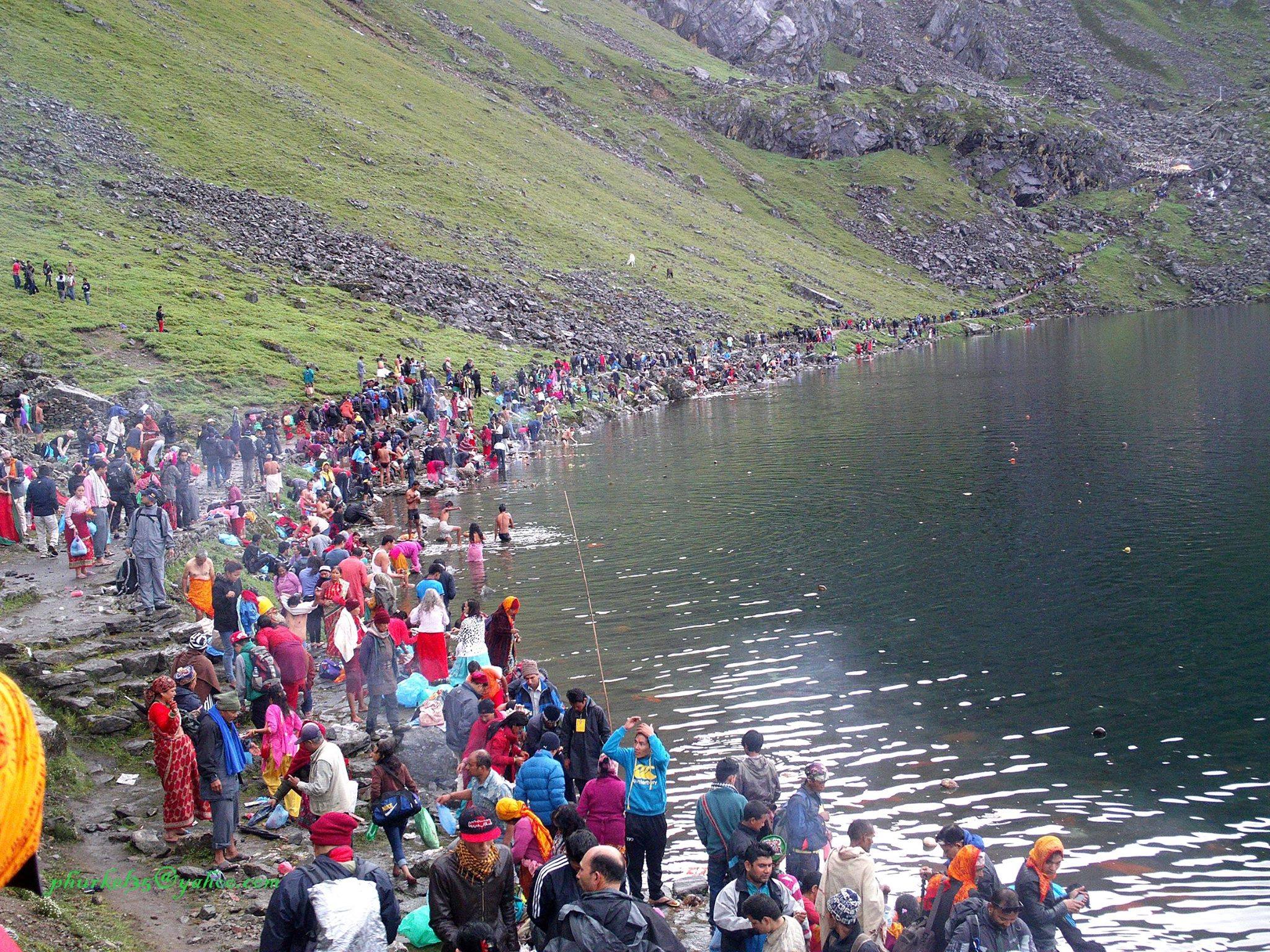
The three main Gosainkunda lakes high in the Langtang National Park are believed to have been created by Lord Shiva when he thrust his Trishula (trident) into a mountain to extract water to cool his stinging throat after he swallowed poison. There is a large rock in the center of the lake which is said to be the remains of a Shiva shrine. People often claim that they see Shiva lying in the water. Devotees gather here in hordes on the full moon night of August to take a holy anointment in the lake.
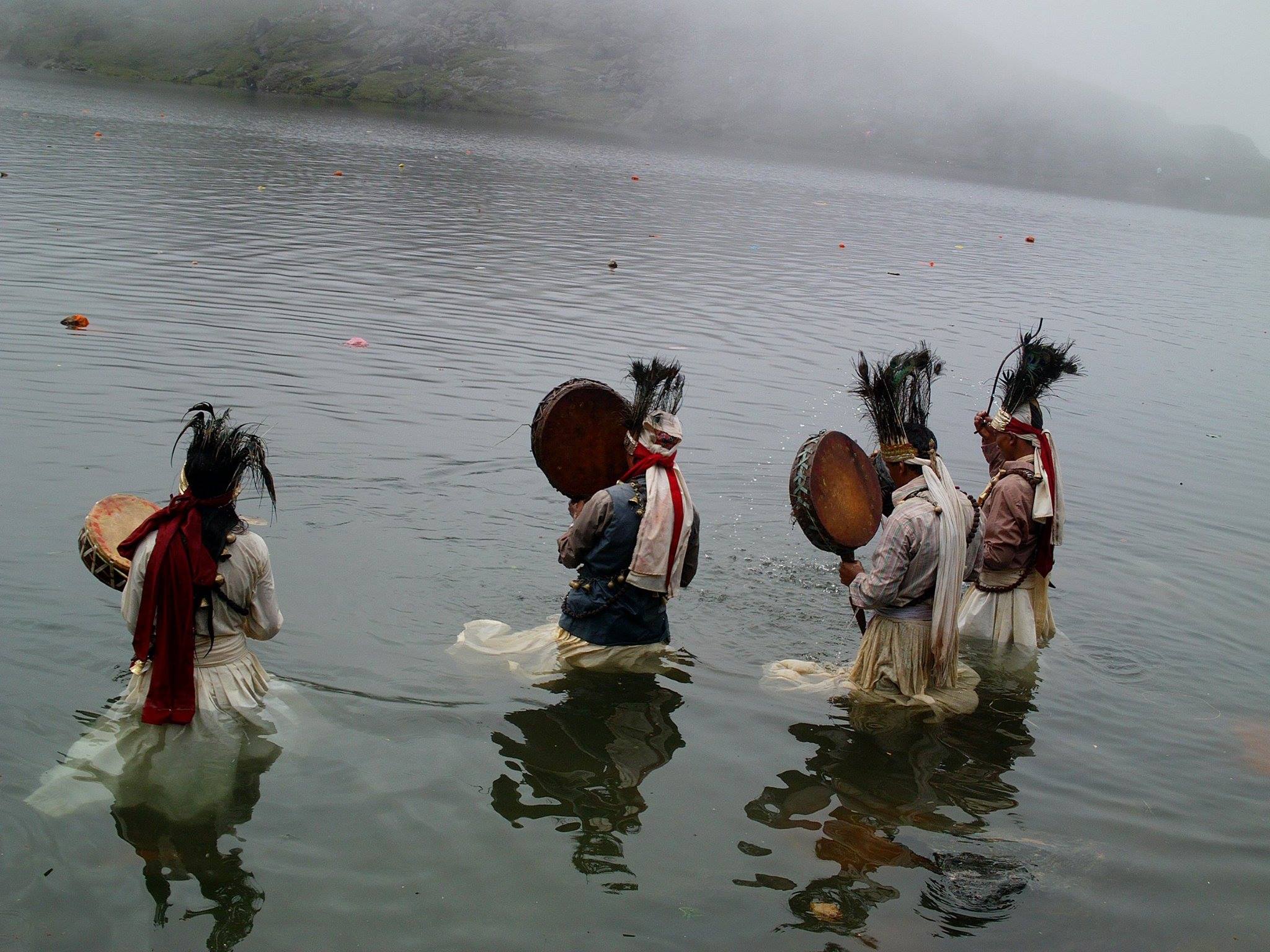
Hinduism, Buddhism and Shamanism are the three principal religions of Nepal. All three religions participate in various mystical ways in the annual Gosainkunda Festival. We will be “participant-observers” of all three of these traditions. The degree of your participation in Buddhist meditation, Ganja puja with Hindu Sadhus or Shamanistic mind-journeys is entirely voluntary. This trek combines the challenges and scenic rewards of high altitude Himalayan trekking with the cultural colour and spectacle of one of the great regional festivals of Nepal.
Highlights
- Visit the sacred Gosainkunda lakes, believed to be created by Lord Shiva.
- Witness a large rock in the lake, thought to be a remnant of a Shiva shrine.
- Experience the mystical Gosainkunda Festival during the full moon of August.
- Observe the convergence of Hinduism, Buddhism, and Shamanism at the festival.
- Option to engage in Buddhist meditation, Ganja puja, and Shamanistic rituals.
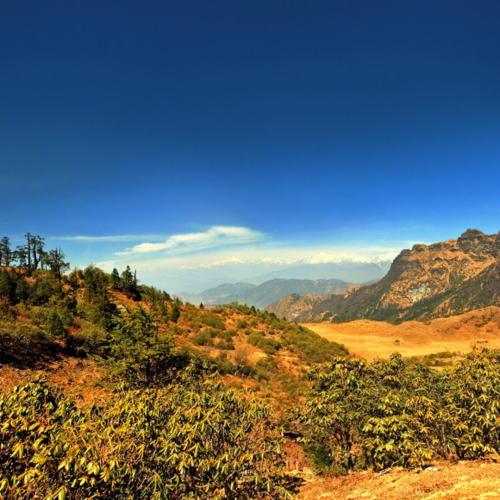
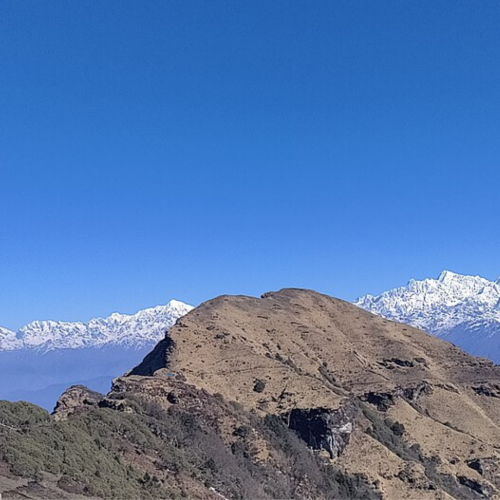
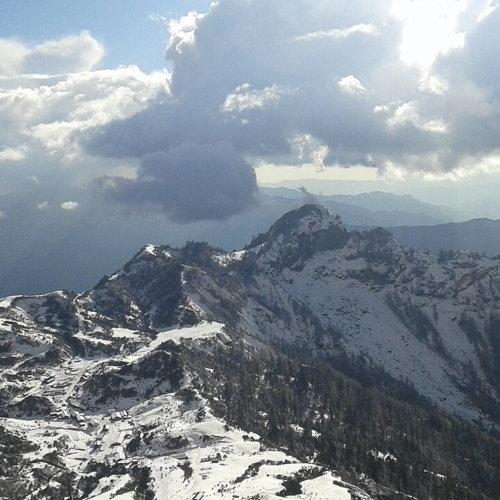
- High-altitude trekking with stunning Himalayan views and cultural immersion.
- Participate in one of Nepal's great regional festivals amidst breathtaking scenery.
Itinerary
Includes/Excludes
Cost Includes
- Airport Pick up & Drop Transportation by private vehicle
- Twin /Double sharing accommodation at Kathmandu in 2 to3 star hotel with breakfast
- Kathmandu / Sundarijal by private vehicle / Dhunche / Kathmandu by local bus
- Accommodation in Normal tea house during trek
- Meals (Breakfast with 2 cups of tea/ coffee, lunch, dinner) in trekking
- Seasonal sleeping bags
- Langtang trekking map for group
- TIMS
- National Park Fee
- Accommodation, meals, salary, equipment, transportation & Insurance of Langtang Ri trekking staffs
- A First Aid and Eco trained & Government licensed holder English Speaking guide and one Porter between each two clients while on trek
- First Aid Kit
- Travel & Rescue arrangement
- All government taxes
- Farewell dinner
Cost Excludes
- International Airfare
- Extra meals in Kathmandu
- Drinking water during trek, extra charges levied for any hot shower or electricity for device charging
- Tea coffee lunch & Dinner time during trek
- Medical evacuation in case of emergency
- Personal gear & clothing – these may be available for hire
- Tips, any expenses of personal nature, client’s insurance
- Soft/hard drinks
- Any uninsured medicall emergency evacuation costs
- Expenses incurred due to mishaps, landslide, strikes, political unrest etc. In such case extra will be charged as per actual cost.
- Nepal Visa fee (US$ 50 per person for 30 days)
- Anything not specified in the Cost Include section
Map
Essential information
The Gosainkunda Shamanism Culture Trek is a captivating journey through Nepal’s serene landscapes, immersing trekkers in the rich cultural traditions of the region. This trek offers a unique blend of stunning natural beauty and the opportunity to experience local shamanistic practices. Here’s a detailed guide to help you prepare for this 12-day adventure.
General Information
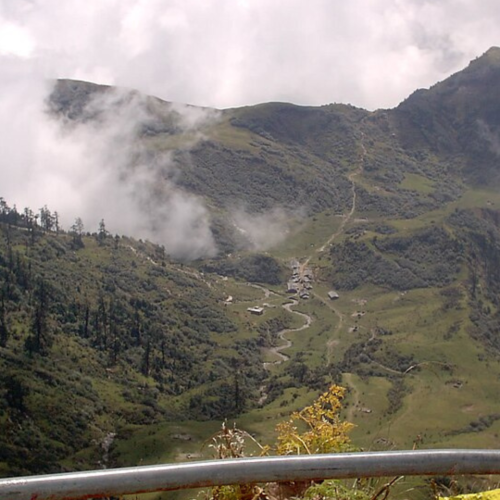
- Region: The trek is located in the Langtang National Park, situated in the central region of Nepal. It includes a visit to the sacred Gosainkunda Lake, surrounded by majestic mountain peaks and vibrant local culture.
- Duration: 12 days, including travel and acclimatization.
- Maximum Elevation: 4,610 meters (15,126 feet) at Gosainkunda Lake.
- Difficulty: Moderate to challenging. Trekkers should be ready for varying terrains, including steep ascents and descents. A moderate level of fitness and some prior trekking experience is recommended.
- Best Time to Trek: The ideal times are pre-monsoon (March to May) and post-monsoon (September to November). These periods provide clear skies and pleasant temperatures. Winter and monsoon seasons are less favorable due to extreme cold and heavy rains.
Permits and Regulations
- Permits Required:
- Langtang National Park Entry Permit: Required for entry into the national park, costing NPR 3,000 (~USD 25) for foreign nationals.
- TIMS (Trekkers’ Information Management System) Card: Costs NPR 2,000 (~USD 15) per person for safety monitoring.
- Obtaining Permits: Acquire these permits in Kathmandu prior to starting the trek. Carry them with you as they will be checked along the route.
Accommodations and Meals
- Accommodation:
- Teahouses/Lodges: Available throughout the trek, offering basic amenities. At higher altitudes, accommodations become more basic, with shared facilities.
- Camping: Not typically required but may be an option in more remote areas. A support team is needed for camping arrangements.
- Meals:
- Breakfast: Common options include porridge, eggs, toast, and tea.
- Lunch: Includes local dishes like dal bhat (lentils with rice), noodles, and soups.
- Dinner: Typically consists of dal bhat, pasta, momos, or other local dishes. Food options may be limited at higher altitudes.
Health and Fitness
- Fitness Level: Moderate to high fitness is needed. Prepare for several hours of hiking daily, with potential high-altitude challenges.
- Acclimatization: Includes acclimatization days to help prevent altitude sickness. Be attentive to symptoms such as headaches and nausea; descending may be necessary if symptoms persist.
- First Aid: Bring a personal first-aid kit with altitude sickness medication (Diamox or acetazolamide), pain relievers, stomach medications, bandages, and antiseptics.
- Vaccinations: Consult your healthcare provider for recommended vaccinations before traveling. Typical vaccines include hepatitis A, hepatitis B, typhoid, and tetanus. Carry altitude sickness medication for safety.
- Insurance: Comprehensive travel insurance is essential, covering high-altitude trekking, medical evacuation, and helicopter rescue if needed.
Environmental and Cultural Responsibility
- Leave No Trace: Adhere to Leave No Trace principles by packing out all waste and minimizing your environmental impact.
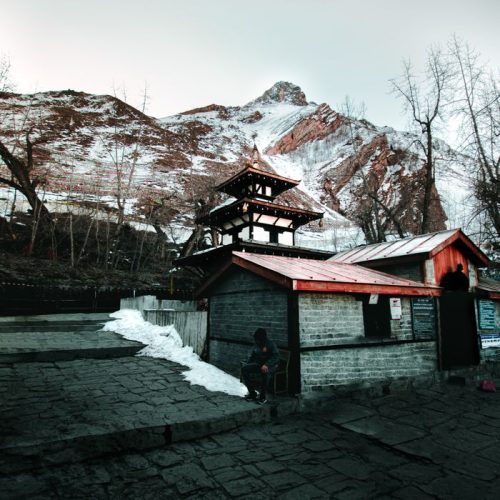
- Respecting Local Culture: The region is known for its shamanistic practices and rich cultural traditions. Show respect for local customs, dress modestly, and seek permission before taking photographs.
- Supporting Local Communities: Hire local guides and porters, stay in locally run teahouses, and support local vendors to benefit the local economy and promote sustainable tourism.
Transportation
- Flights: Begin your trek with a flight from Kathmandu to the starting point of the trek.
- Ground Transportation: Private vehicles are used for transportation within Kathmandu and to/from the trek starting point. Be prepared for possible delays due to weather or road conditions.
Guiding and Support
- Guides and Porters: Hiring a licensed guide is recommended for safety and local knowledge. Porters can carry your main luggage, allowing you to enjoy the trek more fully.
- Guiding Method: The trek is usually fully guided, with professional guides managing logistics, accommodations, and permits.
- Group Size: Group sizes typically range from 2 to 12 people. Smaller groups offer a more personalized experience, while larger groups may have shared costs.
Communication and Connectivity
- Connectivity: Mobile coverage is available in some areas but may be limited or absent in more remote locations. Some teahouses offer Wi-Fi for a fee, but it may not always be reliable.
Privacy Policy
- Data Collection: Personal information, including passport details and emergency contacts, is collected for booking and safety purposes.
- Data Usage: Information is used solely for organizing the trek and obtaining necessary permits. It is not shared with third parties except for these purposes.
- Confidentiality: Personal data is securely stored and accessed only by authorized personnel involved in managing your trek.
- Consent: By booking this trek, you consent to the collection and use of your data as described in our privacy policy.
FAQs
- How fit do I need to be for the Gosainkunda Shamanism Culture Trek? A moderate to high level of fitness is required, with the ability to hike for several hours at high altitudes.
- What kind of food is available during the trek? Meals include local staples such as dal bhat, noodles, and soups. Food quality may vary, especially at higher altitudes.
- What if I experience altitude sickness? Guides are trained to manage altitude sickness and may recommend descending if symptoms persist.
- Can I use a mobile phone during the trek? Mobile connectivity is available in some areas but may be limited. Satellite phones are available in case of emergencies.
- What is the cancellation policy? Cancellation policies vary by operator, so it is advisable to review the terms at the time of booking.
This guide provides the essential information needed for a well-prepared and memorable Gosainkunda Shamanism Culture Trek.
Equipment Checklist
Preparing for the Gosainkunda Shamanism Culture Trek requires careful packing to ensure you have everything needed for a safe and enjoyable adventure. Here’s a comprehensive checklist and important safety tips to guide you:
Clothing
- Base Layers:
- Moisture-wicking underwear
- Thermal base layer tops and bottoms (merino wool or synthetic)
- Mid Layers:
- Insulating fleece jacket or pullover
- Lightweight down jacket or synthetic puffy jacket
- Outer Layers:
- Waterproof and windproof jacket (Gore-Tex or similar)
- Waterproof pants
- Hiking pants and shorts
- Headwear:
- Warm hat or beanie
- Sun hat or cap
- Balaclava or face mask (for high altitudes)
- Gloves and Mittens:
- Lightweight gloves
- Insulated gloves or mittens (waterproof)
- Footwear:
- Trekking boots (waterproof and broken-in)
- Lightweight camp shoes or sandals
- Gaiters (for muddy or snowy conditions)
- Hiking socks (multiple pairs, including warm liners)
Equipment
- Backpack:
- Daypack (20-30 liters) for daily trekking
- Larger trekking backpack (50-70 liters) for personal gear and sleeping bag
- Sleeping Gear:
- Sleeping bag (3-season or suitable for temperatures down to -10°C / 14°F)
- Sleeping bag liner (for extra warmth)
- Sleeping pad (insulated and compact)
- Trekking Poles:
- Adjustable trekking poles with rubber tips (optional but helpful)
- Water and Hydration:
- Water bottles (2-3 liters capacity)
- Hydration system or water bladder (optional)
- Water purification tablets or filter (for emergencies)
- Headlamp and Batteries:
- Headlamp with extra batteries
- Sunglasses and Sun Protection:
- UV-protective sunglasses
- Sunscreen (SPF 30 or higher)
- Lip balm with SPF
- First Aid Kit:
- Personal medications (including altitude sickness tablets)
- Bandages, antiseptic wipes, and blister treatment
- Pain relievers and other essential medicines
Additional Gear
- Personal Documents:
- Passport and copies
- Trekking permits (Langtang National Park Permit, TIMS Card)
- Travel insurance documents
- Navigation Tools:
- Map of the Gosainkunda region
- GPS device or smartphone with offline maps
- Camera and Electronics:
- Camera with spare batteries and memory cards
- Phone and power bank
- Adapters and chargers (Nepal uses Type C, D, and M plugs)
- Toiletries:
- Biodegradable soap
- Toothbrush and toothpaste
- Toilet paper and trowel (for use in remote areas)
- Snacks:
- High-energy snacks (nuts, dried fruit, energy bars)
- Emergency Items:
- Multi-tool or Swiss Army knife
- Small sewing kit
- Personal identification and emergency contact information
Symptoms of Cold and How to Manage
- Chilblains (Pernio):
- Symptoms: Red, itchy, or swollen skin, particularly on fingers, toes, ears, or nose.
- Management: Warm affected areas slowly; avoid direct heat. Keep feet dry and warm, and wear insulated gloves.
- Frostbite:
- Symptoms: Numbness, white or grayish skin, hard or waxy texture on extremities.
- Management: Warm the affected areas gradually with body heat. Avoid rubbing or massaging the frostbitten area. Seek medical attention immediately if severe.
- Hypothermia:
- Symptoms: Shivering, confusion, slurred speech, drowsiness, and loss of coordination.
- Management: Move to a warmer environment, remove wet clothing, and warm the body gradually using blankets or warm fluids. Seek medical help immediately.
- Cold-Related Injuries:
- Symptoms: Pain, numbness, or tingling in extremities.
- Management: Ensure proper insulation and keep extremities dry. Use hand warmers and heated packs if necessary. Avoid prolonged cold exposure.
Environmental and Cultural Responsibility
- Leave No Trace: Adhere to Leave No Trace principles by carrying out all waste and using eco-friendly products.
- Respecting Local Culture: The Gosainkunda region is known for its shamanistic practices and cultural traditions. Dress modestly, ask permission before taking photographs, and respect religious sites.
- Supporting Local Communities: Hire local guides and porters, stay in locally run teahouses, and support local vendors to benefit the local economy and promote sustainable tourism.
This checklist, along with cold-related safety tips, will ensure you are well-prepared for the Gosainkunda Shamanism Culture Trek, allowing you to fully enjoy the stunning landscapes and rich cultural experiences of this unique trek.
FAQs
It’s a unique cultural and spiritual trek that combines the sacred pilgrimage to Gosainkunda Lake with an exploration of Nepal’s ancient shamanic traditions, particularly among the Tamang and Sherpa communities.
Gosainkunda is a group of holy alpine lakes at an altitude of about 4,380 meters (14,370 ft) in the Langtang National Park, north of Kathmandu.
According to Hindu mythology, Lord Shiva created Gosainkunda by striking his trident into the mountain to obtain water after swallowing poison. The lake is a major pilgrimage site, especially during the Janai Purnima festival.
Local shamans (Jhankris) believe Gosainkunda is the source of their spiritual power. Every year during Janai Purnima, hundreds of shamans trek here to perform rituals, chant mantras, and connect with divine energy.
The Janai Purnima festival (usually in August) is the best time to witness shamanic rituals, spiritual gatherings, and cultural performances at the lake.
It’s a moderate trek, suitable for both beginners and experienced trekkers. The trail involves steady climbs to higher altitudes, so acclimatization and fitness are important.
Typically, the trek takes 7 to 9 days, depending on the starting point and pace. Some trekkers combine it with the Langtang Valley Trek or Helambu region for a longer experience.
Trekkers stay in local teahouses that provide simple rooms and meals. During festivals, it’s best to book in advance as many pilgrims visit Gosainkunda.
You’ll need a Langtang National Park Entry Permit and a TIMS Card (Trekkers’ Information Management System), both available in Kathmandu.
This trek offers a rare chance to witness Nepal’s living shamanic traditions, stunning mountain scenery, sacred lakes, and deep cultural connections — an experience that touches both the body and soul.